

When Kumu Gupta first arrived in the United States in 1980, she was a shy but determined student from Kuwait, the eldest of five siblings, setting foot on an unfamiliar path in search of education, independence, and purpose. Four decades later, she not only built a career in a male-dominated field and mentored her entire family through immigration—but also made it all the way to the White House.
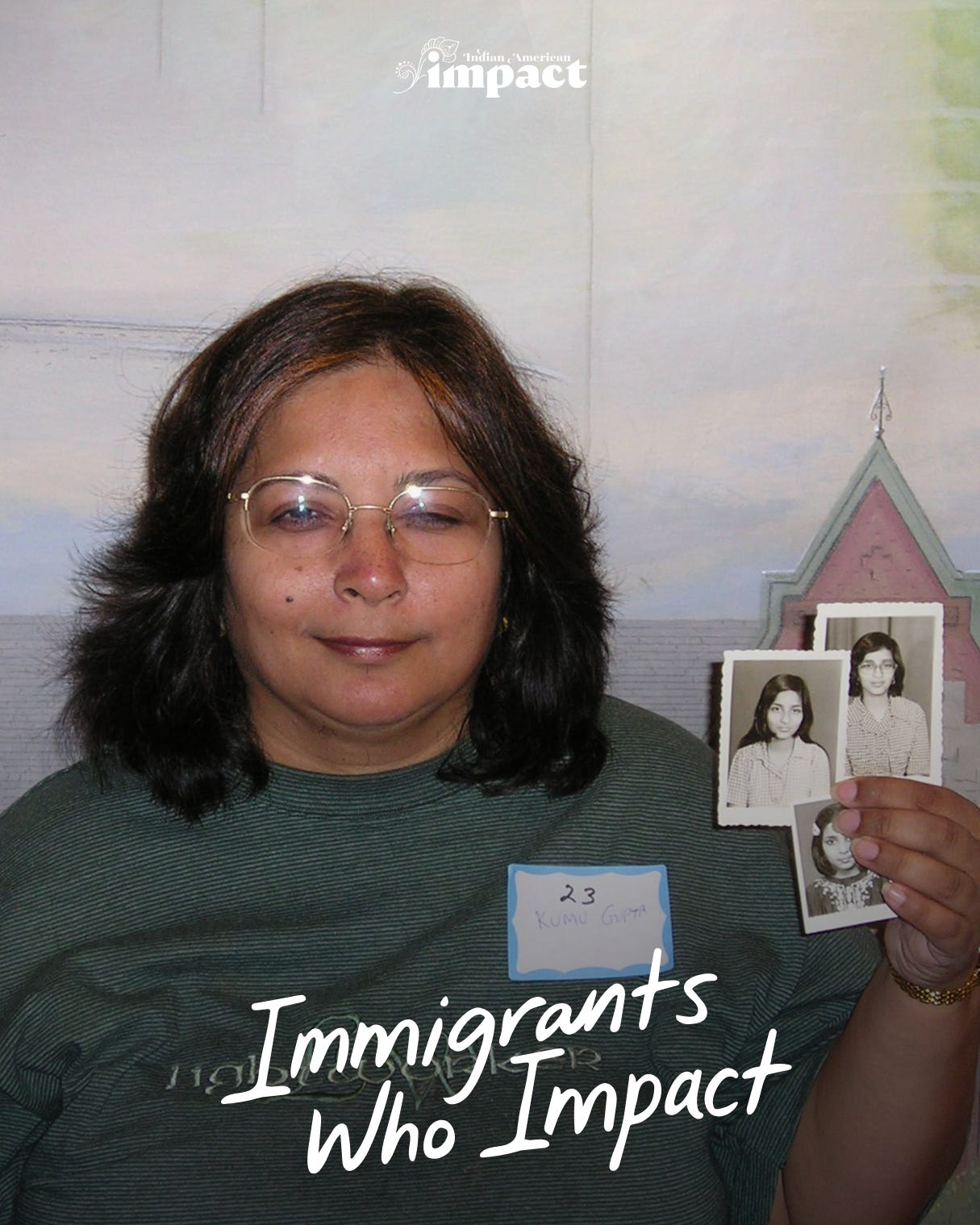
“I think I've always been driven and motivated, always knew I had to achieve this and get going,” Gupta said, as she recalled her impactful years.
Gupta’s early days in the U.S. were marked by culture shocks both humorous and humbling. Her parents dropped her off at college. “It was hard to be away from them initially and it is still hard to be away from them,” she said.
“It was my first winter,” Gupta recalled. “My roommate—an American girl—wanted to keep the windows open! I was freezing.” Despite the cold, she found warmth in new experiences: learning how to open a bank account, drive a car, and celebrate Halloween. She made dorm life memorable with her own campus radio show—Jhankar—broadcasting Indian music across Long Island and reading the news, thanks to a grant she secured to buy new records.
The transition from Kuwait’s close-knit culture to American college life wasn’t easy. “I was homesick. It was a solo journey,” Gupta said. But she found strength in community—bonding with other Indian students, cooking familiar food, and keeping close contact with her family, when global events allowed. During the Gulf War, she lost contact with her parents for weeks when Kuwait was invaded. “They were airlifted to Jordan and then India. We didn’t know if they were okay,” she said. “Eventually they called.”
Despite the turbulence, Gupta stayed focused. “I’ve always been self-motivated,” she said. Her drive took her from engineering classrooms where she was often the only woman, to graduate coursework in engineering and psychology, and eventually into the tech industry in California. When jobs were scarce after graduation, she pursued further education while navigating the complex U.S. immigration system—a 10-year journey from student visa to green card to citizenship.
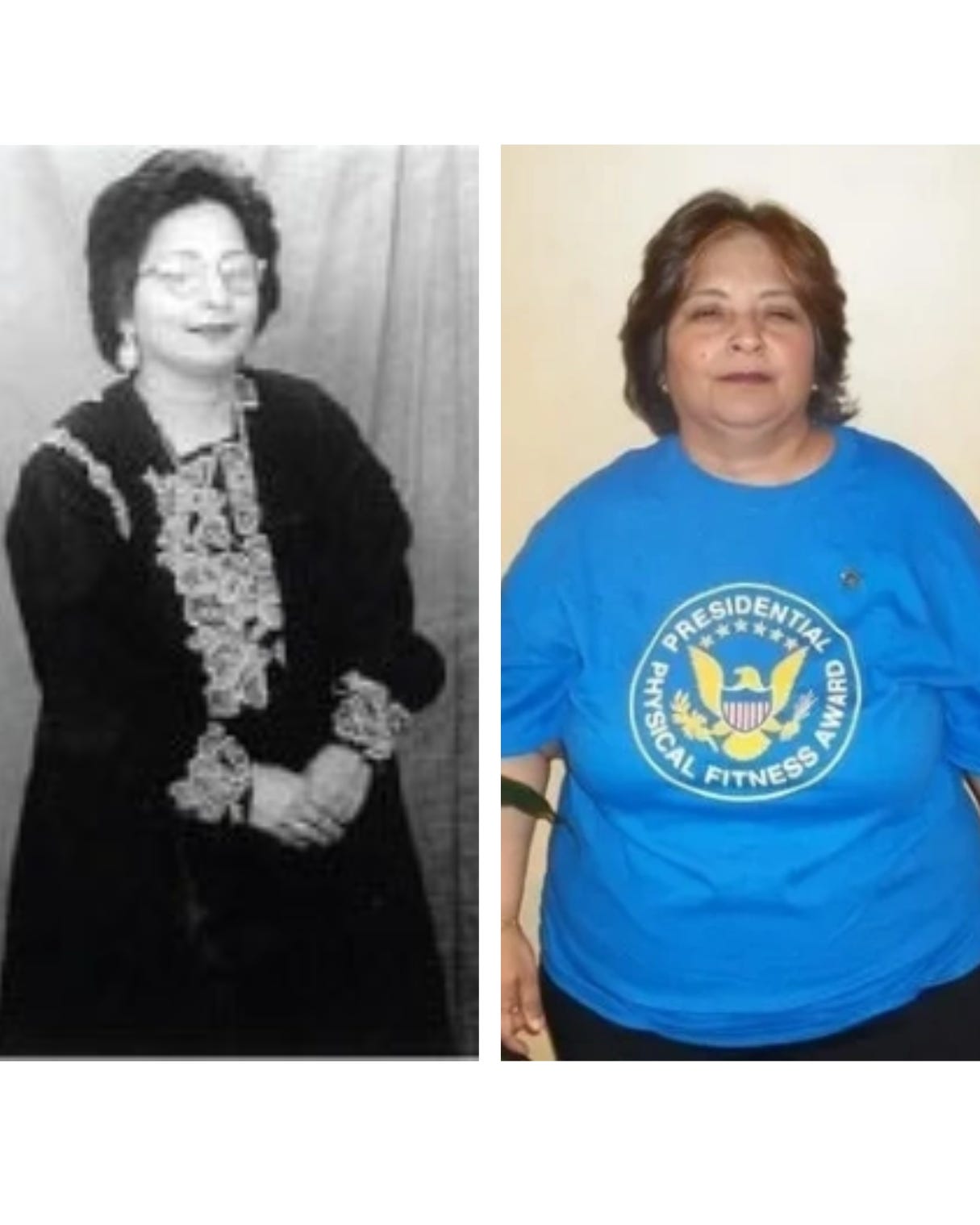
In 1998, the year after she became a U.S. citizen, Gupta had a uniquely American moment: singing the national anthem at a San Jose Giants game. Her name is now enshrined in the National Baseball Hall of Fame in Cooperstown, NY. “That was a beautiful full-circle moment,” she said.
Gupta’s impact stretches far beyond engineering and baseball diamonds. She launched KUMU Consulting and spent five years serving on President Obama’s Council on Fitness, Sports & Nutrition program. She also introduced MyThali, an ancient Indian plate, as a way for Indian Americans to eat balanced meals and get ‘Nutrition without giving up Tradition.’
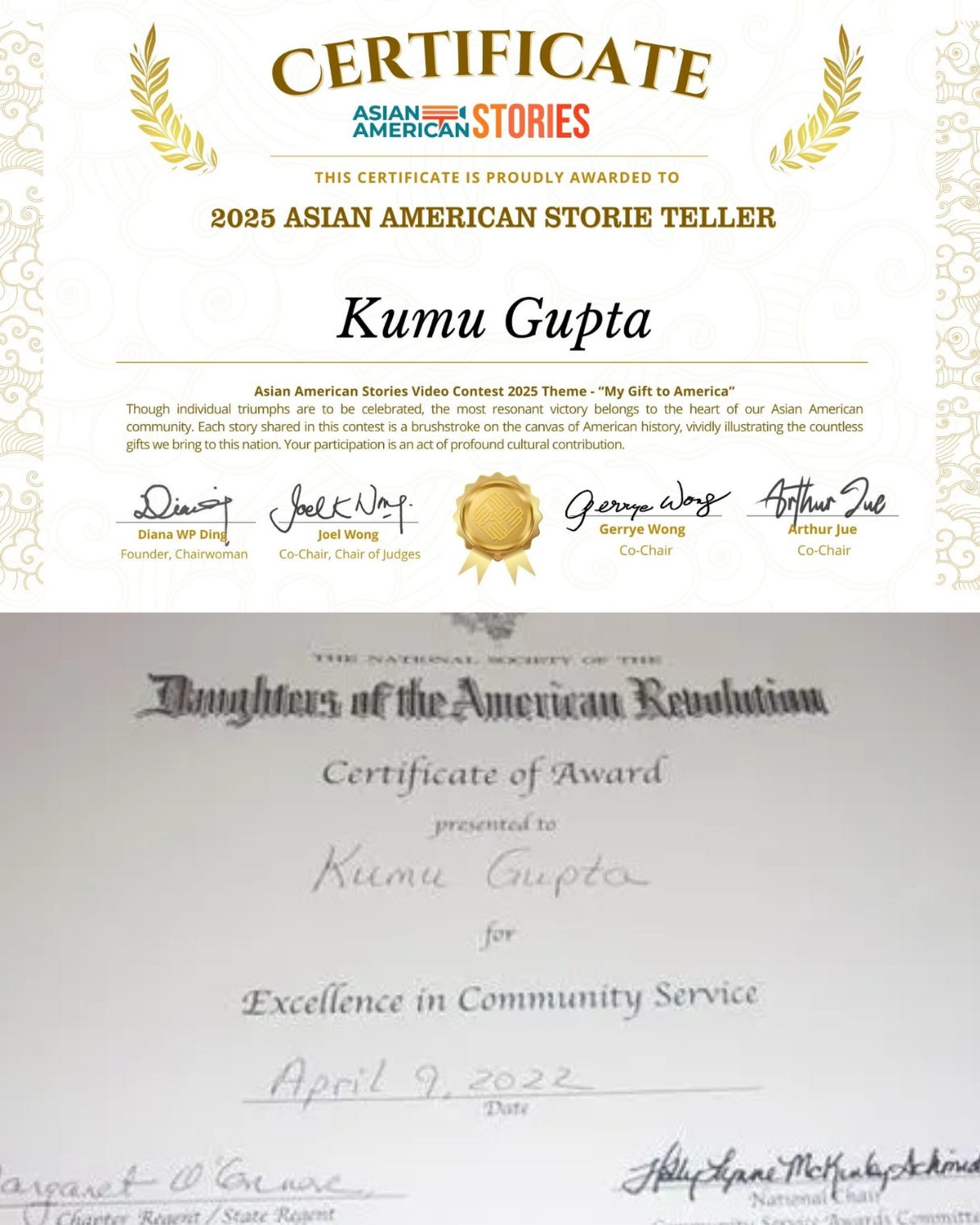
In 2008, she made an impact as the first Indian American and woman to become Vice Chair of a City Republican Committee, after a long hiatus in the state, as a write-in candidate. In 2023, she was nominated for the Nobel Peace Prize for her work as Secretary General of the Global Peace Secretariat, a self-funded initiative championing women’s and children’s rights and global peace.
In September 2024, she returned to the White House—this time invited by President and Dr. Biden to mark the 30th anniversary of the Violence Against Women Act. She honored President Biden with her Inaugural Peace Champion Award.
Gupta is also a Brand Ambassador for Times of India newspaper, being their first from the United States and fourth internationally. She has written about the Indian American diaspora, and her work has been an entry for the Pulitzer Prize.
In 2025, Gupta became an official Guinness World Record Holder as a participant of Microsoft's Women in Cloud online multi-level AI lesson in 24 hours with 126,151 participants globally.
Gupta’s oral history is in Smithsonian’s National Museum of American History’s Work & Industry Reference materials. Only two Indian Americans are included: Vinod Sham, the Intel Microprocessor inventor, and Gupta.


Despite her accolades, including being named a Marquis Who’s Who Albert Nelson Marquis Lifetime Achievement honoree, Gupta remains grounded. “Helping others—especially women and children—is my labor of love,” she said.
Kumu Gupta represents the resilience of the South Asian community in the U.S., and she is still not done making history.